July 18, 2026 · Texera Team
Cut & Sew vs. Blank Decoration: Which Production Method Fits Your Brand?
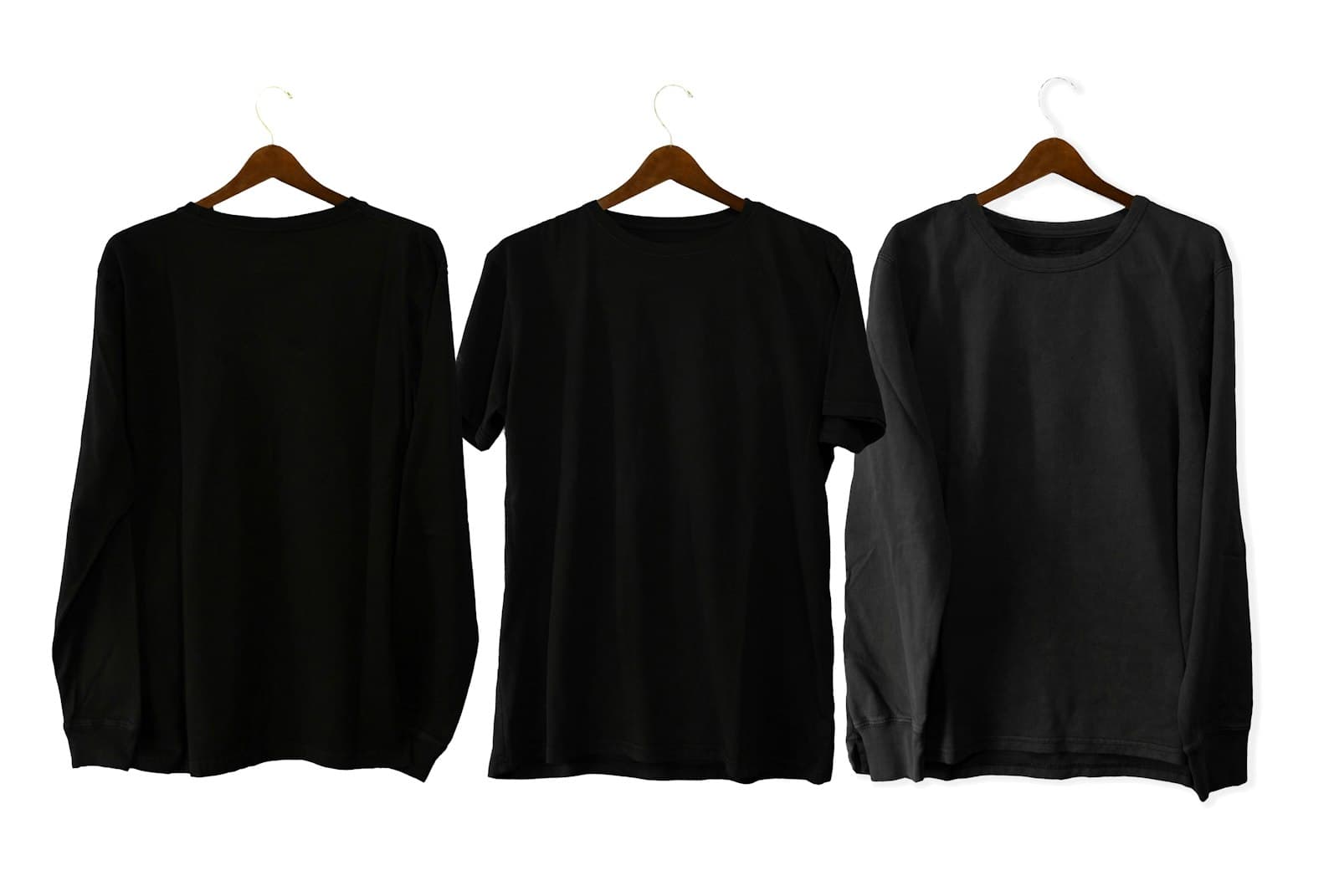
"We make our own product" can mean two very different things in apparel: decorating a blank garment, or building one from a custom-cut pattern. Both are legitimate ways to run a brand — they just serve different goals.
Blank decoration: fastest path to market
You select an existing blank (a stock tee, hoodie, or tote) and apply print, embroidery, or another decoration method. No pattern development, no fit sampling on the base garment — sampling is limited to confirming the decoration looks right. This is the fastest and lowest-cost way to launch, and it's why most first collections start here.
Cut & sew: full control over the garment itself
Cut & sew means the garment is built from your pattern — your fit, your seam construction, your fabric spec — rather than starting from someone else's blank. This unlocks real differentiation (a signature silhouette, a fabric weight nobody else is using) but adds pattern development and fit sampling to the timeline, and typically higher CMT (cut-make-trim) labor cost per unit.
How to decide
Ask what's actually driving your brand's differentiation:
- If it's graphics, colorways, or branding — blank decoration gets you there faster and cheaper.
- If it's fit, silhouette, or a fabric spec nobody else offers — that lives in the pattern, so you need cut & sew.
- Many brands start on blanks to validate demand, then move specific hero styles to cut & sew once they know what's selling.
Cost implications
Blank decoration cost is dominated by the blank's price plus a relatively fixed decoration cost per unit. Cut & sew cost breaks into fabric, labor, trims, and decoration separately — see the full breakdown in how to calculate the cost of a garment, or run your specific product through the cost calculator to compare both paths side by side.