May 18, 2026 · Texera Team
GOTS vs. OEKO-TEX: What's the Difference (and Which Do You Need)?
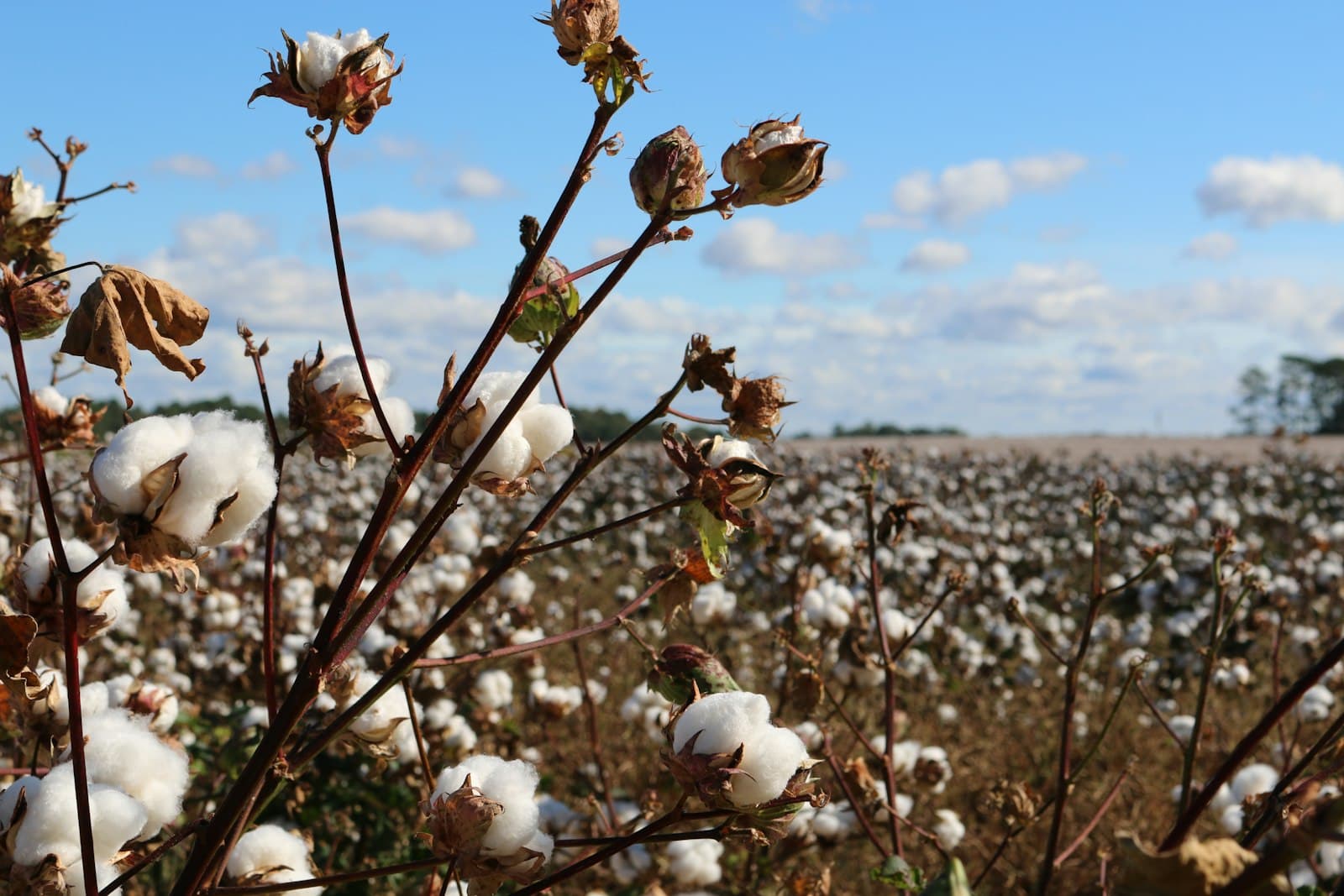
GOTS and OEKO-TEX get name-dropped interchangeably by brands, often on the same hang tag, but they certify entirely different things. Knowing which one your product actually needs — and what it does and doesn't prove — matters before you print either logo anywhere.
GOTS certifies the fiber and the process
The Global Organic Textile Standard verifies that a garment's fiber content is organic, and that environmental and social criteria were met throughout processing — from farm to finished product. It's a chain-of-custody standard: every stage, from ginning to dyeing to packaging, has to meet the criteria for the final product to carry the label.
OEKO-TEX certifies the finished product's safety
OEKO-TEX Standard 100 tests the finished textile for harmful substances — dyes, formaldehyde, heavy metals, and similar residues. It says nothing about whether the fiber is organic. A fully synthetic, conventionally grown garment can carry OEKO-TEX certification as long as the finished product tests clean.
So which one does your brand need?
- If your brand's story is about organic materials and supply chain ethics, GOTS is the relevant certification — and the one your customers are actually asking about when they say "organic."
- If your brand's story is about product safety regardless of fiber type (think baby clothing, activewear against skin), OEKO-TEX is the relevant one.
- Some brands pursue both, since they answer different customer questions.
A note on where Texera stands today
Pending verification. Certifications referenced on this site represent standards we are actively pursuing, not credentials we currently hold. We'd rather tell you that plainly than let a badge on a page imply otherwise — this page will be updated with real certification documentation as it's finalized.