October 3, 2026 · Texera Team
How to Choose a Garment Manufacturer: The Process, Questions to Ask and Red Flags
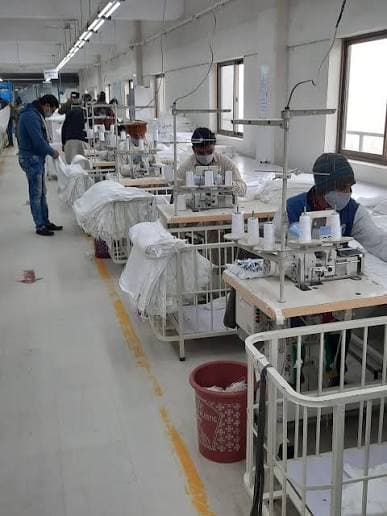
A garment manufacturer turns your design into finished, packed clothing at volume. Choosing the right one is the biggest decision an apparel brand makes. It decides your quality, your margins, your lead times and how easy it is to reorder.
Most lists of garment manufacturers tell you who exists. Very few tell you how to judge them. This guide covers what a garment manufacturer actually does, the different types, how production works stage by stage, and a practical scorecard you can use to compare quotes.
What a garment manufacturer does
At its simplest, a garment manufacturer cuts fabric and sews it into finished clothing. In practice the job covers much more, depending on the type of manufacturer:
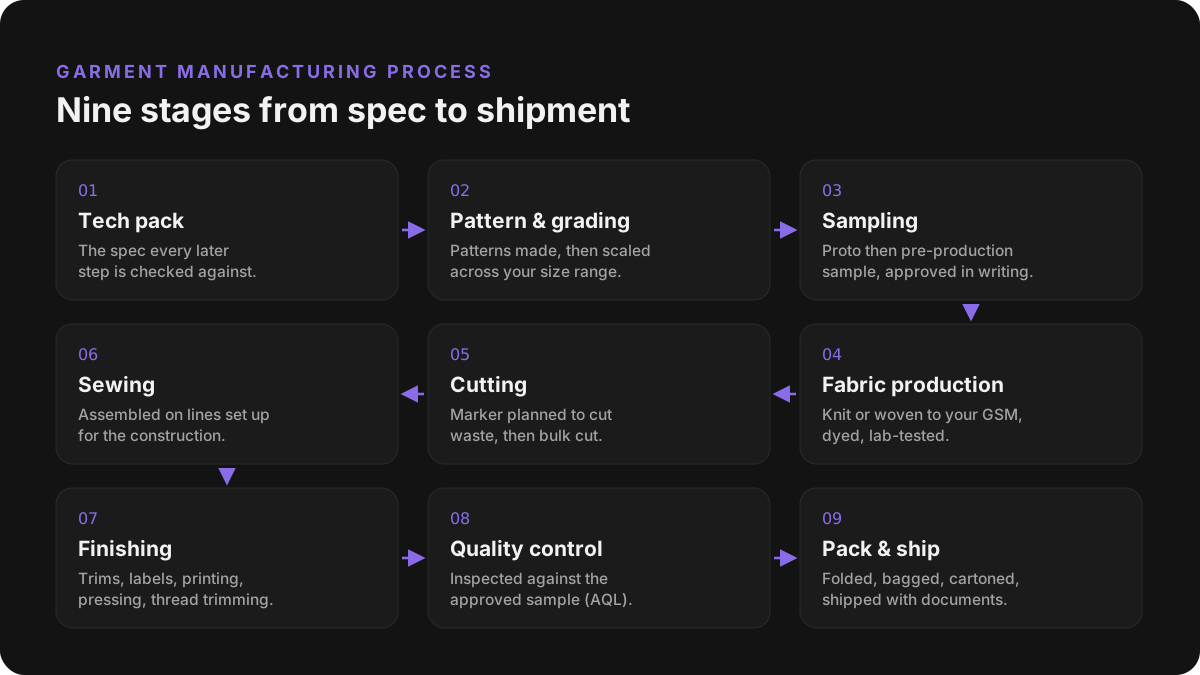
- Tech pack. Your specification: measurements, fabric, trims, decoration. Every later step is checked against it.
- Pattern and grading. Patterns are made from your spec, then scaled across your size range.
- Sampling. A first (proto) sample to check fit and construction, then a pre-production sample in the real fabric, approved in writing.
- Fabric production. Knitted or woven to your GSM, dyed and tested, or sourced from a mill.
- Cutting. The cutting layout is planned to minimize waste, then the fabric is cut in bulk.
- Sewing. Pieces are assembled on production lines set up for your garment's construction.
- Finishing. Trims, labels, printing or embroidery, pressing and thread trimming.
- Quality control. Finished units are inspected against the approved sample, often using an AQL sampling standard.
- Pack and ship. Folded, bagged, cartoned and shipped with the export documents.
The three types of garment manufacturer
| Type | What they do | You supply | Best for |
|---|---|---|---|
| Full package (FPP) | Everything from fabric sourcing to packing | Your design and tech pack | New brands and small teams |
| Cut, make, trim (CMT) | Cutting, sewing and finishing only | Fabric and often trims | Brands with their own fabric supply |
| Blank decorator | Prints or embroiders ready-made blanks | Artwork | Fast, low-cost tests of a design |
For most new brands, full package is the simplest route: one partner, one quote, one point of accountability. A manufacturer that also makes its own fabric (a vertically integrated one) adds a further advantage: it controls fabric weight and consistency rather than depending on outside mills. We explain the trade-off with blanks in cut and sew vs blank decoration.
A scorecard for comparing garment manufacturers
When you have two or three quotes, price alone is a poor way to decide. Score each manufacturer from 1 to 5 on these criteria:
| Criterion | What "good" looks like |
|---|---|
| Minimum order | Fits your stage; clear on per style vs per color |
| Sampling | Clear cost, timeline and number of revisions |
| Fabric control | Makes or reliably sources your exact fabric and GSM |
| Quality control | A defined process against your approved sample |
| Price transparency | Breaks the quote into fabric, labor, trims, decoration |
| Communication | Clear written answers within a reasonable time |
| Certifications | Relevant certificates, shared on request |
| Payment terms | Written, staged, and tied to approval milestones |
A manufacturer that scores well on quality control and price transparency is usually a safer choice than the cheapest quote.
What certifications actually mean
Certifications are worth asking about, but only if you know what each one covers:
- OEKO-TEX Standard 100 tests finished textiles for harmful substances.
- GOTS (Global Organic Textile Standard) certifies organic fiber content and responsible processing.
- Sedex covers ethical and social-compliance auditing across the supply chain.
- BCI (Better Cotton) covers cotton sourced to Better Cotton's environmental and labor standards.
Always ask to see the certificate itself; claims on a website aren't enough. Our GOTS vs OEKO-TEX guide goes deeper on the two most-requested ones.
Questions to ask a garment manufacturer
- Are you full package, CMT, or both? Do you make fabric in-house?
- What's your minimum order per style and per color?
- What does sampling cost, how long does it take, and how many revisions are included?
- How do you check bulk production against my approved sample?
- Can you break your quote down into fabric, labor, trims, decoration and packaging?
- What are your payment terms?
- Which certifications do you hold, and can you share them?
- Who is my main contact, and how do you share production updates?
For a breakdown of what a good quote should include, read how to read a manufacturer quote.
Red flags
- Skipping or rushing sampling. Without an approved sample, there's no standard to hold bulk production to.
- A single total price with no breakdown. You can't compare it, and extras tend to appear later.
- No written specifications. Anything agreed only on a call can be "misremembered."
- Unclear subcontracting. If they won't say where your garment is actually made, you can't judge its quality or compliance.
- Full payment before sample approval.
- Slow or vague answers before you've paid. Communication rarely improves after the deposit.
Watch: the garment manufacturing process A to Z
This explainer from Textile InfoMedia walks through each stage of garment production in a factory, matching the nine stages above.
Frequently asked questions
What is the difference between a garment manufacturer and a clothing manufacturer?
In practice the terms mean the same thing: a company that produces finished clothing at volume. "Garment manufacturer" is more common in the trade and in sourcing countries; "clothing manufacturer" is more common in consumer searches.
How do I find a garment manufacturer for a small brand?
Look for full-package manufacturers with a low minimum order (100 pieces or so per style), clear sampling terms and transparent pricing. Ask for samples and a quote broken down by cost line before you commit. Our step-by-step guide to starting a clothing brand covers this from the brand's side.
What does CMT mean in garment manufacturing?
CMT stands for cut, make, trim. A CMT factory cuts your fabric, sews it into garments and adds trims, but you supply the fabric. It suits brands that already have their own fabric supply.
How many samples should I expect before production?
Usually one to two rounds of fit and construction samples, followed by a pre-production sample in the actual bulk fabric. Approve that last sample in writing before bulk production starts.
Texera is a full-package, vertically integrated manufacturer: we weave, knit, cut and sew under one roof for Apparel, Home Textiles and Work Wear, from 100 units. Explore our services or request a quote.